
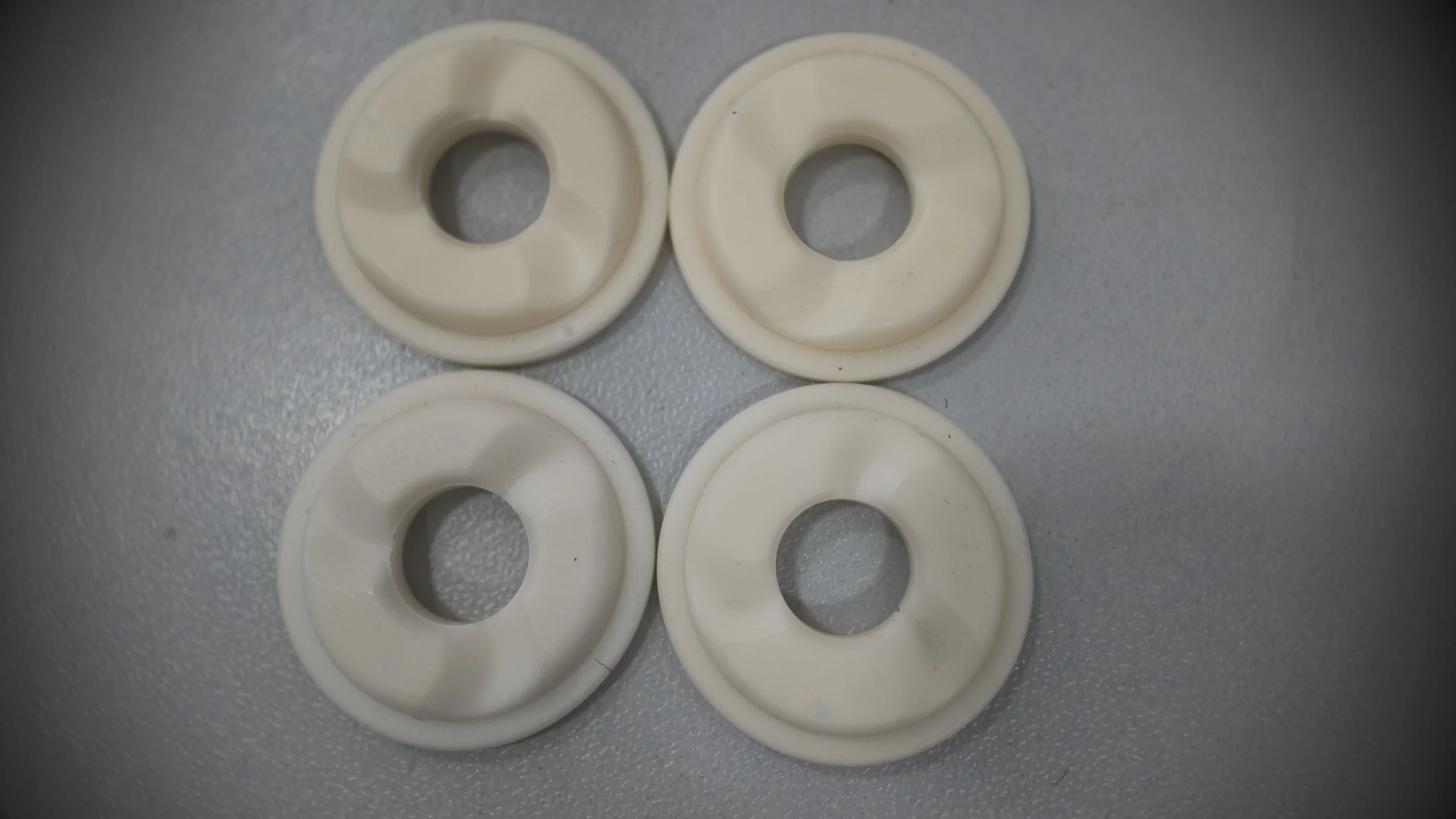
For mechanical engineers and hardware R&D teams designing equipment for severe-service environments, material selection is the primary bottleneck for reliability. While standard 95% or 96% aluminum oxide is sufficient for basic structural and wear components, high purity alumina (typically ranging from 99% to 99.9% Al2O3) fundamentally shifts the engineering baseline.
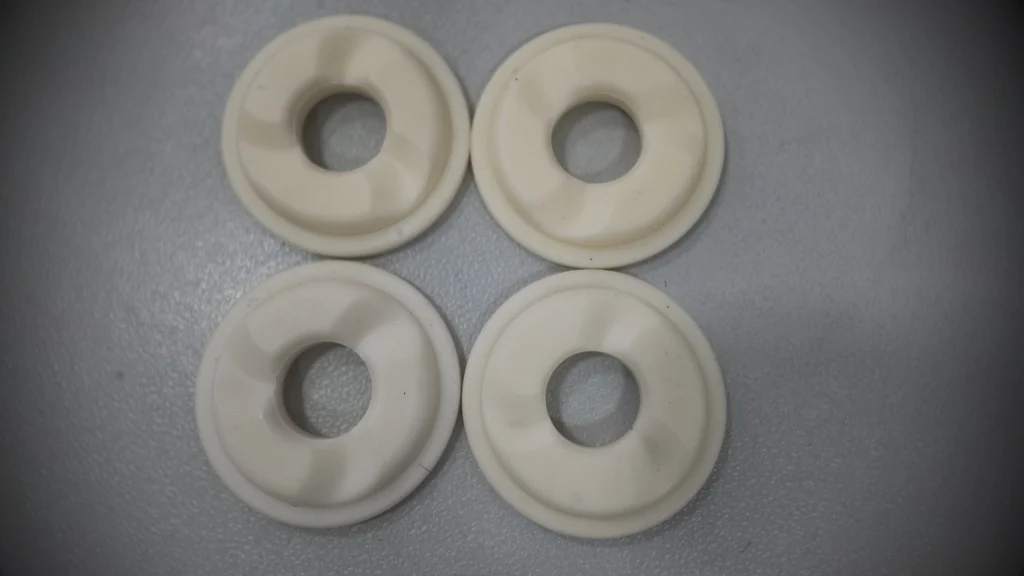
By drastically reducing the silica (SiO2) and alkaline earth glass phases during consolidation, high purity alumina achieves a near-perfect crystalline microstructure. This eliminates the vulnerability of intergranular corrosion and particulate shedding, making it an indispensable specification for semiconductor fabrication, aggressive fluid handling, and ultra-high vacuum (UHV) systems.
The Data-Driven Advantage of High Purity Al2O3
The physical and chemical threshold of a ceramic component is dictated by what remains in its grain boundaries. High purity alumina delivers exponential gains across four critical engineering metrics:
-
Tribological Supremacy: Achieving a Vickers hardness (Hv) of 15 to 16.5 GPa (depending on the exact purity tier). It outperforms tungsten carbide and specialized steel alloys in abrasive sliding wear.
-
Absolute Chemical Inertness: Without a glassy binder phase to be attacked, high purity alumina is impervious to boiling hydrofluoric acid (HF), concentrated alkalis, and aggressive halogen plasmas.
-
Zero Outgassing and Zero Porosity: Fully dense microstructures ensure absolute vacuum integrity, preventing gas permeation in UHV chambers.
-
High-Frequency Dielectric Strength: Exceptionally low dielectric loss tangents and high breakdown voltage (>15 kV/mm), making it ideal for RF and microwave transmission windows.
Core Industrial Application Scenarios
1. Front-End Semiconductor Equipment (Sub-7nm Nodes)
In advanced semiconductor fabs, contamination control is paramount. Standard ceramics release trace metals and silicate particles when exposed to plasma, destroying wafer yields. High purity alumina is the material of choice for eliminating these risks.
-
Plasma Etching and Deposition: Gas distribution showerheads, dielectric windows, and focus rings rely on high purity alumina to withstand intense fluorine and chlorine plasmas without degradation.
-
Wafer Handling Automation: Robotic end effectors and vacuum chucks leverage the material’s high specific stiffness to transfer silicon wafers at high speeds with zero deflection or metal ion contamination.
2. Severe-Service Fluid Control and Pump Systems
For fluid machinery OEMs in the petrochemical, pharmaceutical, and wastewater industries, premature seal failure leads to catastrophic downtime.
-
Precision Metering Plungers: High-pressure dosing pump plungers manufactured from high purity alumina can be lapped to a surface finish of Ra 0.05 μm. This ultra-smooth, extreme-hardness surface minimizes friction against polymer seals, extending Mean Time Between Failures (MTBF) by up to 5x.
-
Mechanical Seals and Valve Seats: In centrifugal pumps managing abrasive slurries, high purity alumina seal faces maintain optical flatness under heavy thermal shock and mechanical loads, guaranteeing zero-leakage performance.
3. Analytical Instrumentation and Laser Systems
Hardware that manipulates high voltages, sensitive biological samples, or intense optical energy requires absolute material stability.
-
Mass Spectrometry: High-voltage standoffs, quadrupole insulators, and UHV feedthroughs utilize the ceramic’s superior electrical resistance and zero-outgassing properties.
-
Industrial Lasers: Internal structural components in gas and solid-state lasers benefit from the material’s thermal conductivity (~30-35 W/m·K) and strict dimensional stability under rapid thermal cycling.
Precision Manufacturing: Meeting OEM Tolerances
The inherent hardness that makes high purity alumina so valuable also makes it notoriously difficult to machine. Post-sintering forming cannot be done with conventional tooling; it requires specialized 5-axis CNC diamond grinding, lapping, and polishing.
To achieve OEM-grade structural integrity, the raw ceramic powder must be processed using Cold Isostatic Pressing (CIP) and high-temperature vacuum sintering kilns to ensure uniform density. When engineering your next generation of hardware, collaborating with an advanced technical ceramics manufacturer like Arte ensures that your high purity alumina components meet exact geometric tolerances, concentricity, and surface finish requirements right out of the box.