
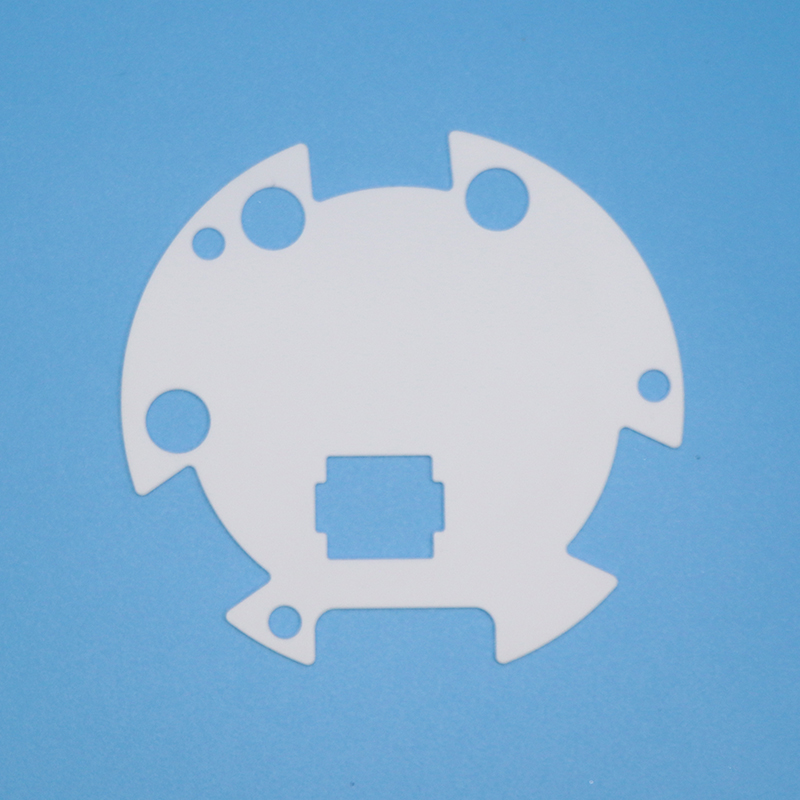
The rapid electrification of automotive and industrial systems has placed unprecedented demands on thermal management infrastructure. At the core of these cooling systems is the electronic water pump (EWP). Unlike traditional mechanical pumps, EWPs operate on demand, frequently shifting RPMs and handling aggressive coolant mixtures. To survive these severe duty cycles without premature failure, OEM engineers are increasingly phasing out metal shafts and bearings in favor of 95% alumina ceramics.
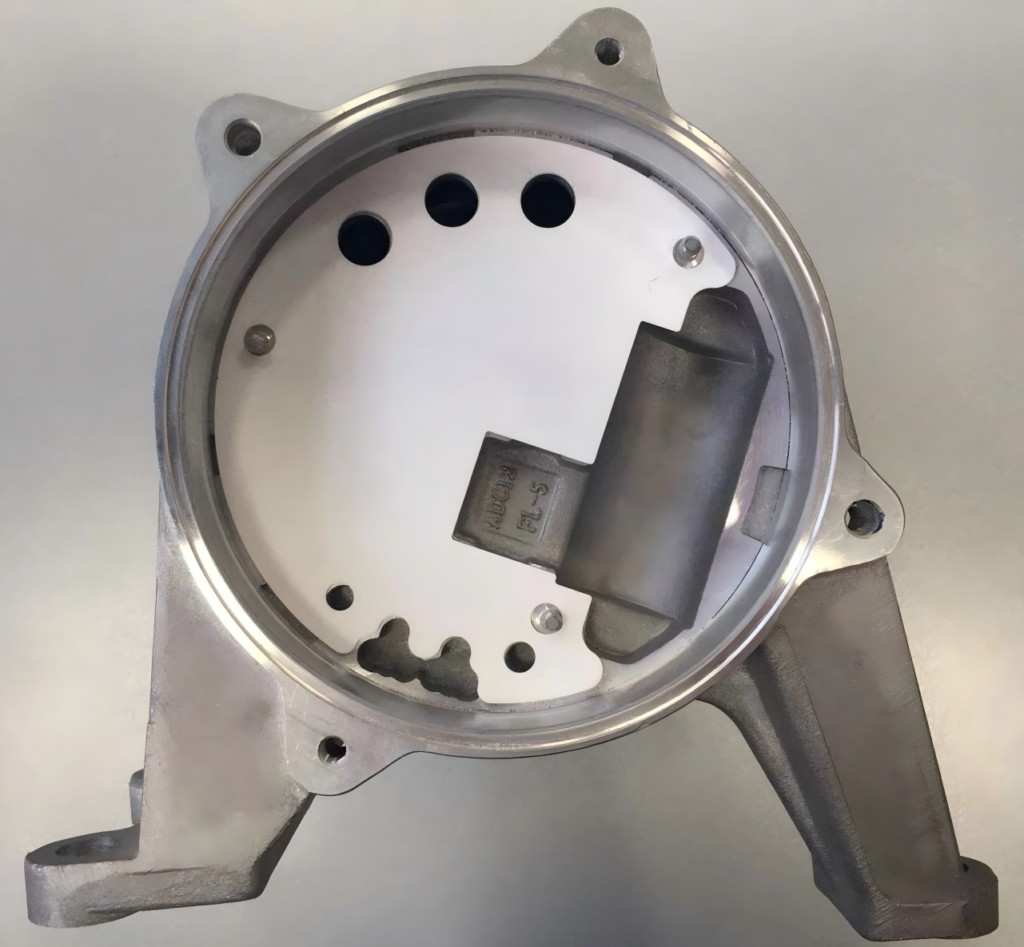
For hardware R&D teams and procurement managers, understanding the exact material properties of Al2O3 (Aluminum Oxide) is critical for specifying fluid control components that guarantee long-term reliability.
The Bottleneck of Traditional Pump Components
In high-performance electronic water pumps, the rotor shaft and thrust bearings are the primary points of failure. When utilizing standard stainless steel or brass components, engineers typically encounter three persistent issues:
-
Abrasive Wear: High-speed rotation in fluid environments accelerates the physical degradation of metal contact surfaces.
-
Chemical Corrosion: Glycol-based coolants and industrial solvents gradually corrode metal components, leading to fluid contamination and eventual seal failure.
-
Cavitation Damage: Rapid pressure changes within the pump chamber can cause micro-pitting on metal surfaces, destroying the hydraulic efficiency of the pump.
How 95% Alumina Ceramics Solve EWP Failures
Integrating 95% alumina ceramics into the fluid path completely alters the lifecycle expectation of an electronic water pump. This specific purity level offers the optimal balance between extreme mechanical strength, manufacturability, and cost-efficiency for mass OEM production.
1. Exceptional Hardness and Wear Resistance
With a Vickers hardness (HV) exceeding 1500, 95% alumina is exponentially harder than the highest-grade stainless steel. When manufactured into pump shafts and bearings, this material suffers virtually zero abrasive wear, even during continuous dry-running friction scenarios or high-RPM duty cycles.
2. Absolute Chemical Inertness
Unlike metals, oxide ceramics do not react with automotive coolants, deionized water, or aggressive industrial chemicals. A shaft made from 95% alumina ceramics ensures zero rust, zero oxidation, and zero particulate shedding over a 10-year operational lifespan, protecting the sensitive electronic stators from internal contamination.
3. Precision Surface Finish and Seal Integrity
Through advanced Cold Isostatic Pressing (CIP) and diamond grinding techniques, alumina ceramic components can achieve a surface roughness of Ra < 0.2 μm. This mirror-like finish drastically reduces friction torque, ensuring the pump motor draws less current while extending the life of the dynamic seals.
Engineering-Scale Delivery for Pump OEMs
Specifying a high-performance material is only half the equation; scaling it for OEM assembly lines is the other. For semiconductor cooling units and automotive fluid pumps, dimensional consistency across thousands of ceramic components is non-negotiable.
A reliable supply chain for 95% alumina ceramics relies on strict dimensional control, batch-to-batch traceability, and rigorous ultrasonic testing to eliminate internal micro-cracks before the components ever reach the assembly floor.
Upgrade Your Fluid Management Systems
As thermal management parameters grow stricter, upgrading to ceramic internal components is no longer an optional luxury—it is an engineering necessity.
Are you developing the next generation of electronic water pumps for automotive or industrial applications? Contact our engineering team today to discuss custom specifications, tolerances, and prototyping for 95% alumina ceramics components.